
Haiku, a Japanese style of poetry that enlightens and opens readers and writers to new perspectives, is world-renowned for both its simplicity and complexity. As an art form, it has rapidly evolved from structured Japanese short-verse to an international phenomena that has hybridised via the infusion of many languages and literary techniques. Haiku has been adopted by many well-known modern poets, including Taneda Santoka, Masaoka Shiki, Jack Kerouac, Marlene Mountain, and more.
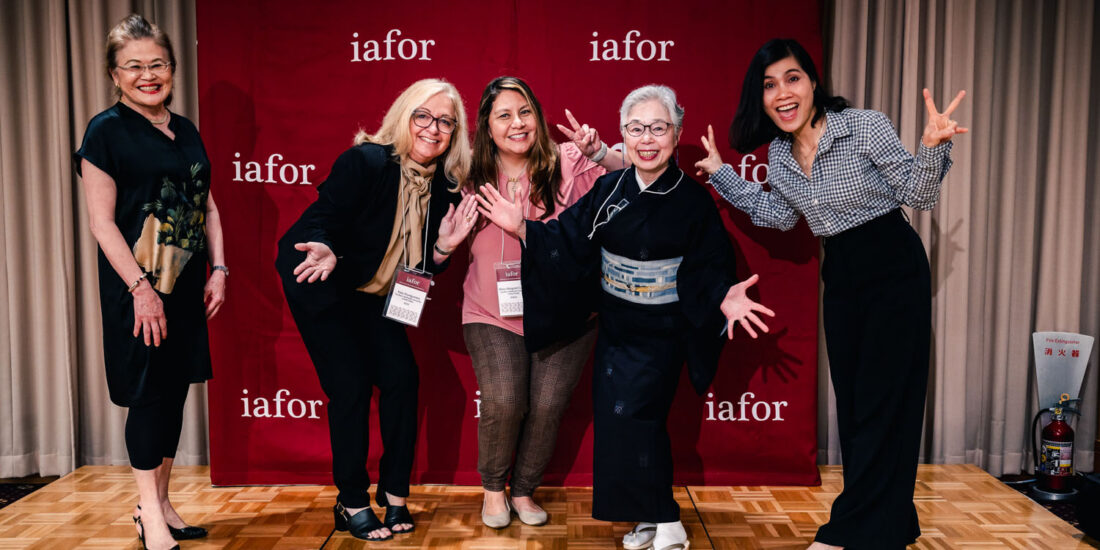
Since 2011, IAFOR has welcomed haiku experts Emiko Miyashita and Kyoko Uchimura to conduct Haiku Workshops at IAFOR Arts, Humanities, and Culture conferences in Japan. A long-running highlight of the ACAH/ACCS/ACSS programme, the Haiku Workshop is an open invitation to get involved and get creative during the conference.
Meeting Location: Tokyo International Forum
Ticket Price: Free to attend
**This workshop is a free event open to registered IAFOR conference delegates**
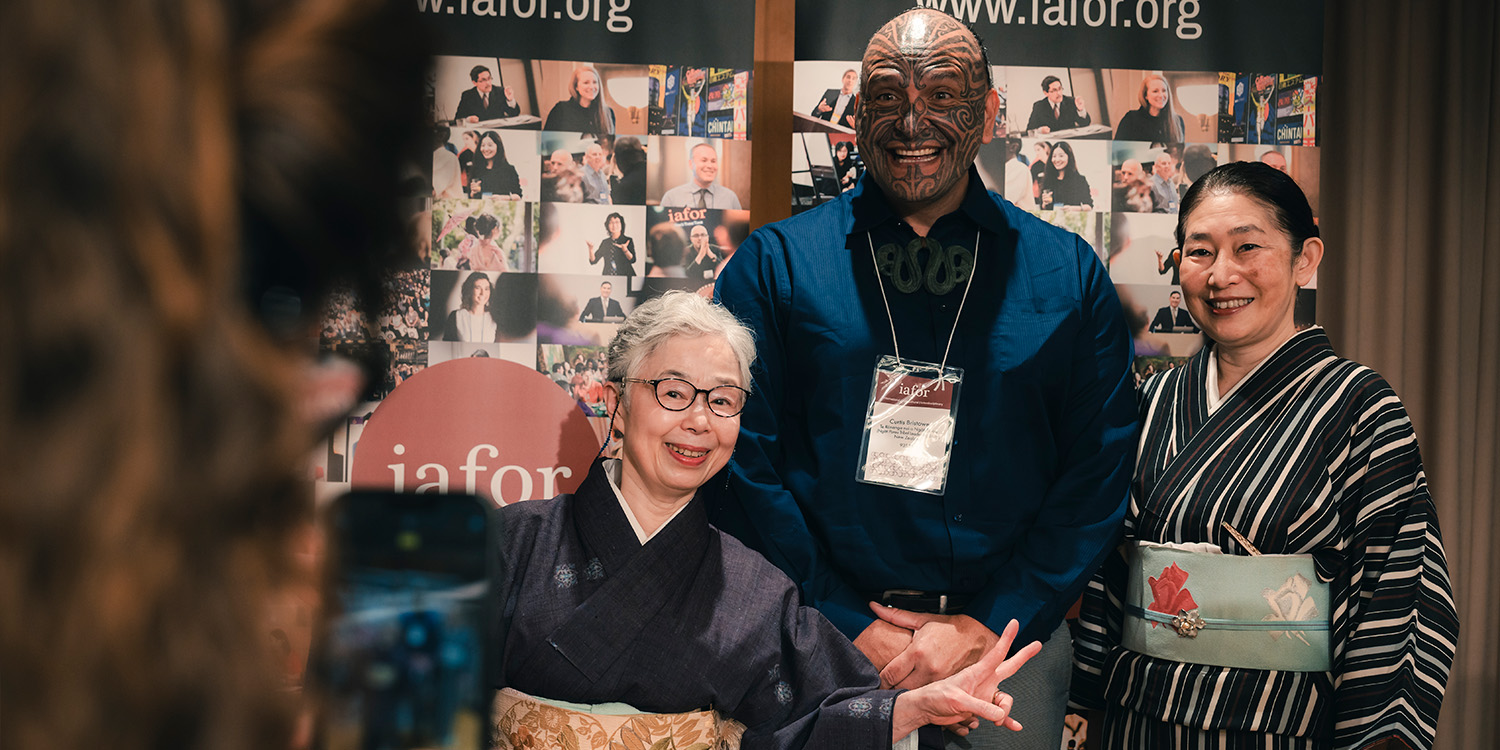
Write Your Own Haiku with Expert Guidance
Delegates are invited to draft their own haiku under the guidance of Miyashita-sensei and Uchimura-sensei during the workshop. The workshop will include experimentation with revision and exhibition of produced work. Those who wish to present can read their haiku aloud and receive guidance from the instructors, as well as informal feedback from fellow delegates. This workshop is open to delegates from all levels of acquaintance with haiku, and offers a rare chance to slow down, write with intention, and connect with others through creative practice during the conference.
Emiko Miyashita
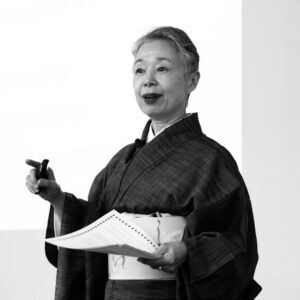 Emiko Miyashita is a prominent and widely published haiku poet, as well as an award-winning translator who has given invited lectures and workshops around the world. She serves as a councillor for the Haiku International Association, as well as secretary of the Haiku Poets Association International Department in Tokyo. She is a dojin (leading member) of Ten’i (Providence) haiku group lead by Dr Akito Arima, and also a dojin of the Shin (Morning Sun), haiku group lead by Dr Akira Omine. From January 2008, until March 2010, she judged and wrote an English-language haiku column with Michael Dylan Welch every first Sunday in the Asahi weekly paper.
Kyoko Uchimura
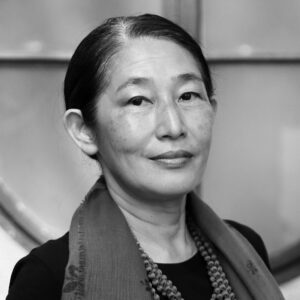 Ms Kyoko Uchimura is a haiku poet born in Tokyo. She earned a BA in Art History from International Christian University, Japan, and studied at the University of Sussex, United Kingdom, from 1988 to 1989 as an exchange student. She worked for Christie’s art auction house from 1990 to 2014, contributing her expertise there for over twenty years.
Ms Uchimura began writing haiku in 2002, receiving the New Talent Award of the haiku group Ten’I, led by Dr Akito Arima, in 2008. She recently won first prize in the group’s essay contest in 2023. In 2013, she published her first haiku collection, titled Venus. She is currently a member of the Association of Haiku Poets in Japan.
Since 2014, Ms Uchimura has worked in an editorial role for Ten’I and the Haiku International Association since 2018, where she serves as a councilor and is responsible for editing the association’s quarterly haiku magazine, HI. She often writes short reviews for other haiku magazines. She has supported the administrative office of the Haiku UNESCO Promotion Council since 2018.
