

Professor Katsuya Iijima of The University of Tokyo, Japan, will present ‘Community-Led Frailty Prevention in Japan: Empowering Older Adults for Healthy and Active Ageing with Well-being’ at The 17th Asian Conference on Arts & Humanities (ACAH2026), The 16th Asian Conference on Cultural Studies (ACCS2026), and The 17th Asian Conference on the Social Sciences (ACSS2026) in Tokyo, Japan.
As a Gerontology researcher, Professor Iijima is currently the Principal Investigator of many projects in regard to prevention of sarcopenia-related frailty. His presentation will outline how providing seniors with a sense of fulfillment or accomplishment through contributing to the community can help to support healthy and active ageing.
This keynote presentation will be held both onsite in Tokyo, and online via live-stream. To participate in ACAH/ACCS/ACSS2026 as an audience member, please register for the conference via the conference website.
The presentation will also be available for IAFOR Members to view online as part of their membership benefits. To find out more about becoming an IAFOR Member, please visit the IAFOR Membership page.
Speaker Biography
Katsuya Iijima
The University of Tokyo, Japan
 Professor Katsuya Iijima is a medical doctor in Geriatric Medicine and Professor within the Institute for Future Initiatives at The University of Tokyo, Japan. As a Gerontology researcher, he is currently the Principal Investigator of many projects in regard to prevention of sarcopenia-related frailty. He participated in the Third Meeting of the Asia-Pacific Parliamentarian Forum on Global Health, chaired by the Japan Parliamentarian League for the World Health Organization (WHO) in Tokyo, in August 2017. He contributed to developing the ‘Tokyo Declaration’ via his presentation regarding Japan’s experiences in addressing a ‘super-ageing society’ through multisectoral strategies. His current specialties and interests include prevention of sarcopenia-related frailty with well-being and the Japanese concept of ‘Ikigai’, population approach and cultivation of older resident supporters in local communities, integrated community-based care systems,, integrated implementation of health services and care prevention for older adults in new policies of the Ministry of Health, Labour and Welfare, andGeron-Technology, or medical-engineering collaboration. He is an intellectual private-sector board member of the National Assembly of Dynamic Engagement of All Citizens and a professional board member of the Ministry of Health, Labour and Welfare.
Abstract
Community-Led Frailty Prevention in Japan:
Empowering Older Adults for Healthy and Active Ageing with Well-being
Japan has entered the era of a super-aged society, known as an era of 100-year life, both on an unprecedented scale and at extraordinary speed. In addition, there is a large gap between average life expectancy and healthy life expectancy, with a difference of only 10 years. We must promote healthy ageing, but in order to achieve healthy ageing with well-being and a suitable way of life for each individual living in each community, what is needed now?
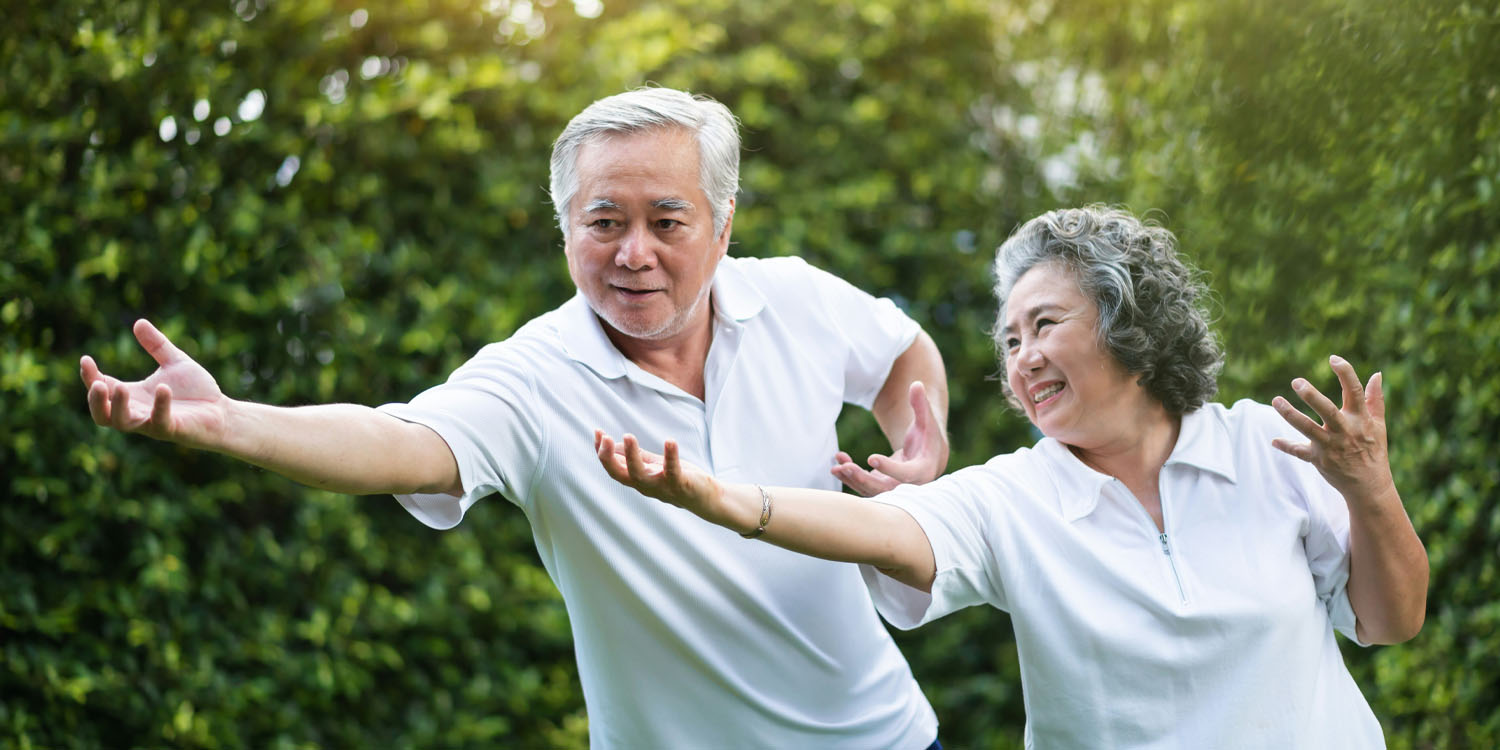
When thinking about societal innovations to promote healthy ageing, we have to increase opportunities for connections and exchanges with people across all generations, not just conventional healthcare measures. In Japan, frailty prevention activities have been modeled based on peer support led by senior residents, and are currently actively promoting these activities nationwide. This resident-led peer support activity aims to create a new system of self-help and mutual assistance and also provides senior residents with their well-being or ikigai, their purpose in life, and a sense of fulfillment or accomplishment through contributing to the community. In addition, it is an urgent task to create a place for activities such as lifelong education and multi-generational exchange, and finally build a comprehensively integrated community care system that allows people to live with peace of mind when they eventually need long-term care. In order to rebuild a fulfilling local community, we not only have to promote interprofessional working, but also interdisciplinary gerontological collaboration with multi-stakeholders, such as municipal governments, industries, professional medical and care staff, academic researchers, and citizens. To progress innovation to promote both frailty prevention and community-based integrated care systems for older people, we are now conducting multi-faceted challenges as a community redesign toward a healthy ageing society.
